
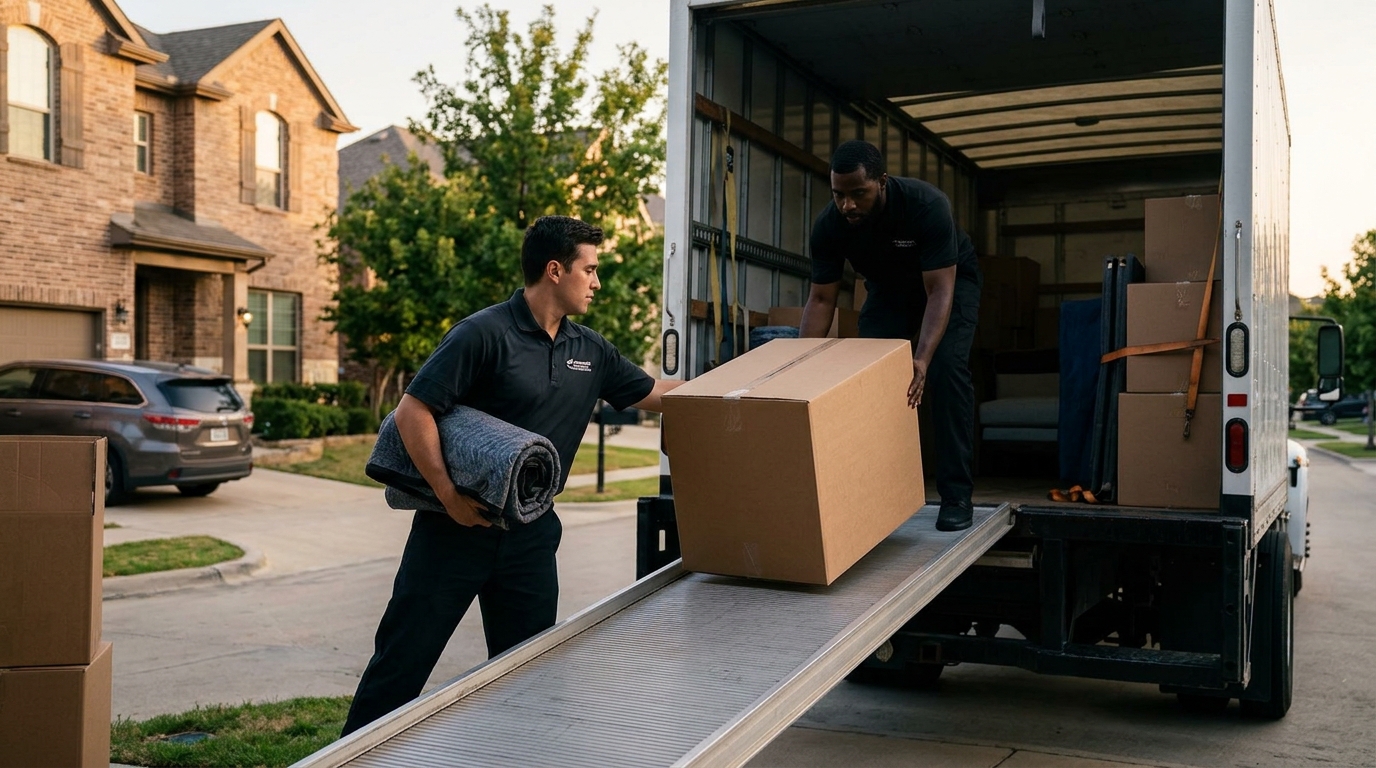
Efficiently loading and unloading a rental truck requires strategic weight distribution, proper securing of items, and a clear sequence of operations. By prioritizing heavy items near the cab and using protective padding, you can prevent damage and reduce physical strain. This approach ensures your belongings arrive safely and your move remains manageable without professional assistance.
Strategic Planning and Weight Distribution
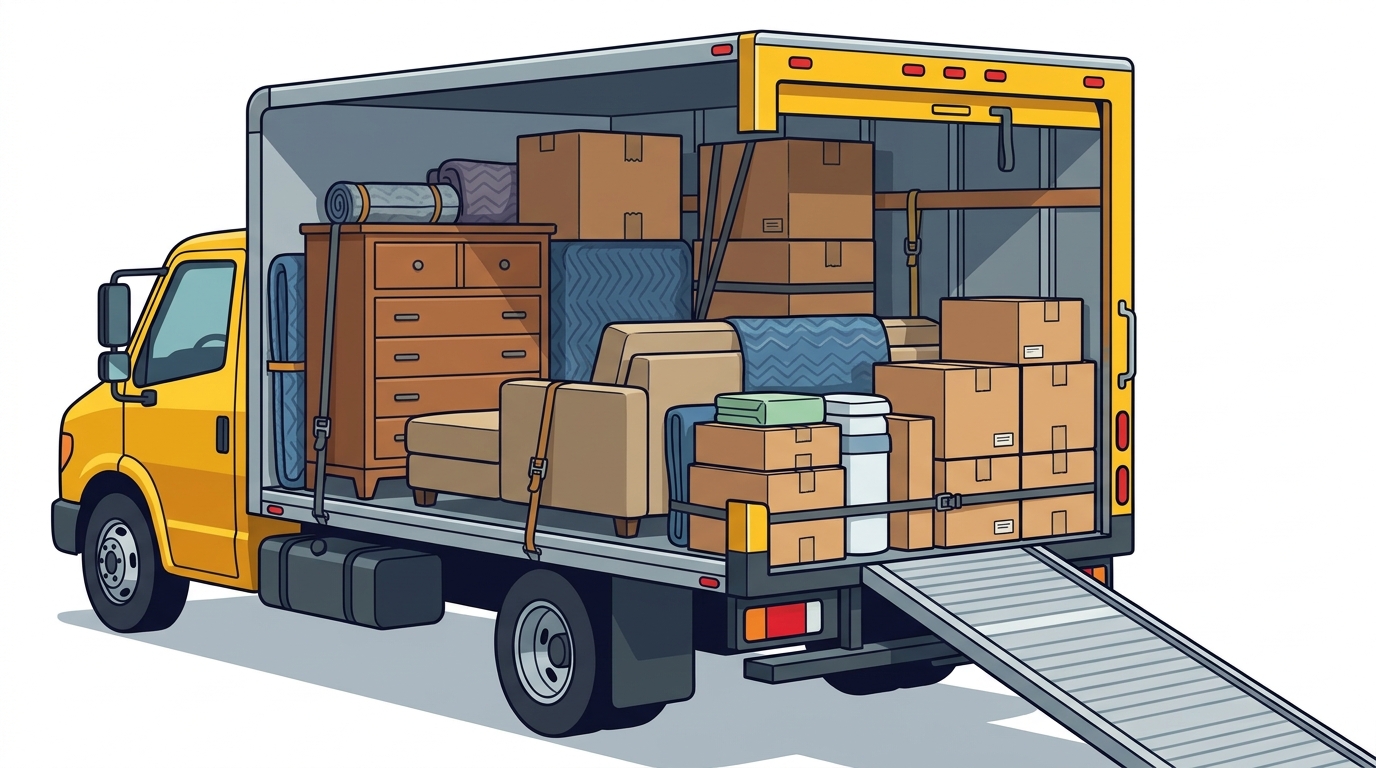
Proper weight distribution is the foundation of a safe truck load. The center of gravity should remain low and centered to maintain vehicle stability. Weight distribution is the process of balancing cargo so the truck handles predictably on the road. Start by placing the heaviest items, such as refrigerators, washing machines, and large furniture, in the front of the truck, closest to the cab. This placement prevents the rear of the truck from becoming too light, which can cause the vehicle to sway or lift during braking.
Before you begin, map out your floor plan. Determine which items will go in the front, middle, and back. This mental or written map prevents you from having to move heavy objects around once the truck is partially full. For example, if you are moving a large sectional sofa, place it against the side wall in the front section. This creates a stable base for lighter items to be stacked on top or around it. Avoid placing heavy items on top of lighter, fragile boxes, as this is a primary cause of damage during transit.
Safe Lifting and Loading Techniques
Physical safety is critical when handling heavy loads. Safe lifting technique is a method of moving objects that protects the spine and joints by using leg strength rather than back strength. Always bend at the knees and keep your back straight when picking up heavy items. If an object is too heavy for one person, use a two-person lift or a furniture dolly. Never twist your torso while holding a heavy load; instead, turn your feet to change direction.
Use furniture pads or moving blankets to protect both your items and the truck interior. Slide a dolly under heavy furniture to roll it into the truck rather than dragging it. When loading boxes, keep the heaviest boxes on the bottom and the lightest on top. This pyramid structure adds stability. If you are moving appliances, ensure all water lines are disconnected and doors are taped shut to prevent them from opening during the drive. These small precautions save time and prevent costly repairs at your new location.
Securing Cargo for Transit
Unsecured cargo is a major safety hazard. Cargo securing is the practice of fastening items to the truck floor or walls to prevent shifting. Use ratchet straps to anchor large furniture items to the truck’s tie-down points. Do not rely on friction alone to keep items in place. If you do not have straps, use heavy blankets or moving pads to create friction between items and the truck floor. This helps prevent sliding during sudden stops or turns.
Fill empty spaces with smaller boxes or soft items like pillows and comforters. This prevents larger items from shifting. Ensure that the truck’s tailgate is fully closed and latched. If you are using a truck with a roll-up door, ensure it is fully raised and locked. A secure load not only protects your belongings but also ensures you comply with traffic safety regulations. Check your load one final time before driving off to ensure nothing is loose.
Efficient Unloading at Your Destination
Unloading is often more chaotic than loading if not planned. The key to efficient unloading is to remove items in the reverse order of how they were loaded. Start with the lightest items in the back, then work your way forward to the heavy items near the cab. This method prevents you from having to move heavy furniture out of the way to access lighter boxes.
Have a clear path from the truck to your new home. Clear hallways and remove obstacles before the truck arrives. If you are moving into a multi-story apartment, ensure the elevator or stairs are accessible. Use the same lifting techniques you used during loading. If you are alone, consider using a hand truck for boxes and a dolly for furniture. Take breaks as needed to avoid fatigue, which can lead to injury. A well-planned unloading process ensures you can settle into your new space quickly and safely.
When to Consider Professional Help
While DIY moving is cost-effective, it requires significant physical effort and time. If you have large, heavy, or fragile items, professional assistance may be a better option. Labor-only moving services are professional assistance services that provide manpower for loading and unloading without providing the truck. Companies like Advantage Express Movers offer this type of support in the DFW area. They can help you load and unload your rental truck, saving you time and reducing the risk of injury.
Consider hiring help if you have a tight deadline or if the physical demands of the move exceed your capabilities. Professional movers are trained in safe lifting and equipment use. They can also provide the necessary tools, such as dollies and straps, that you might not have on hand. By combining your rental truck with professional labor, you get the best of both worlds: the flexibility of a DIY move with the efficiency of expert help.
Key Takeaways
- Place heavy items near the cab to maintain vehicle stability.
- Use proper lifting techniques to protect your back and joints.
- Secure all cargo with straps or friction to prevent shifting.
- Unload in reverse order to access items efficiently.
- Consider labor-only services if the physical demand is too high.
- Protect fragile items with padding and tape doors shut.
Frequently Asked Questions
How do I distribute weight in a rental truck?
Place the heaviest items in the front, closest to the cab, and balance the weight evenly on both sides. This keeps the center of gravity low and centered.
What is the safest way to lift heavy furniture?
Bend at the knees, keep your back straight, and use your leg muscles to lift. Use a dolly or get a second person for very heavy items.
Do I need straps to secure my load?
Straps are highly recommended for large furniture. If you do not have straps, use heavy blankets to create friction and prevent sliding.
What order should I unload items in?
Unload in the reverse order of loading. Start with light items in the back and finish with heavy items in the front.
Can I hire help just for loading and unloading?
Yes, labor-only moving services provide manpower for loading and unloading without providing the truck. This is a cost-effective option for DIY movers.
How do I protect fragile items in a truck?
Wrap fragile items in moving blankets or bubble wrap and place them in the middle of the load, surrounded by heavier, sturdier items.
Conclusion
Handling a rental truck yourself is a manageable task with the right planning and techniques. Focus on weight distribution, safe lifting, and secure cargo to ensure a smooth move. If the physical demands are too much, consider professional labor services to assist you. Contact Advantage Express Movers for reliable moving assistance in Arlington, Mesquite, and Plano.